Spices Export & Trade
Cumin Seeds from India: Uses, Potential Benefits & Export Opportunities
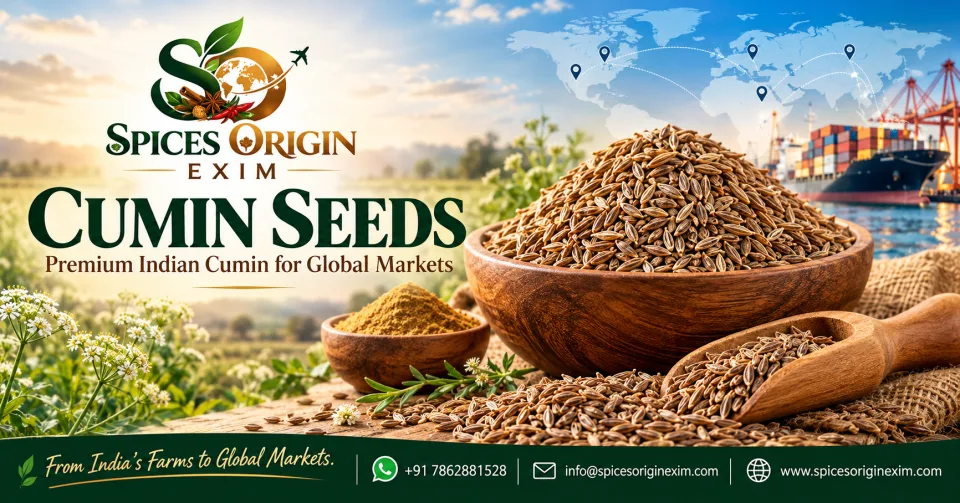
Learn about Indian cumin seeds, their culinary uses, potential nutritional benefits, quality considerations, packaging options and bulk export opportunities for international spice buyers.
Cumin Seeds from India: Uses, Potential Benefits & Export Opportunities
Cumin is one of the most widely used spices in Indian and international cuisine. Known for its warm, earthy aroma and distinctive flavour, cumin seeds are an important ingredient in spice blends, curries, seasonings, sauces and food manufacturing.
India is a major producer and exporter of cumin, supplying international markets with whole seeds and ground cumin for culinary and commercial applications. For importers, wholesalers, distributors and food manufacturers, understanding product specifications, quality requirements and packaging options is essential when sourcing cumin in bulk.
At Spices Origin Exim, we connect international buyers with Indian spices and agricultural products, supporting enquiries for cumin seeds and other products according to buyer requirements.
What Are Cumin Seeds?
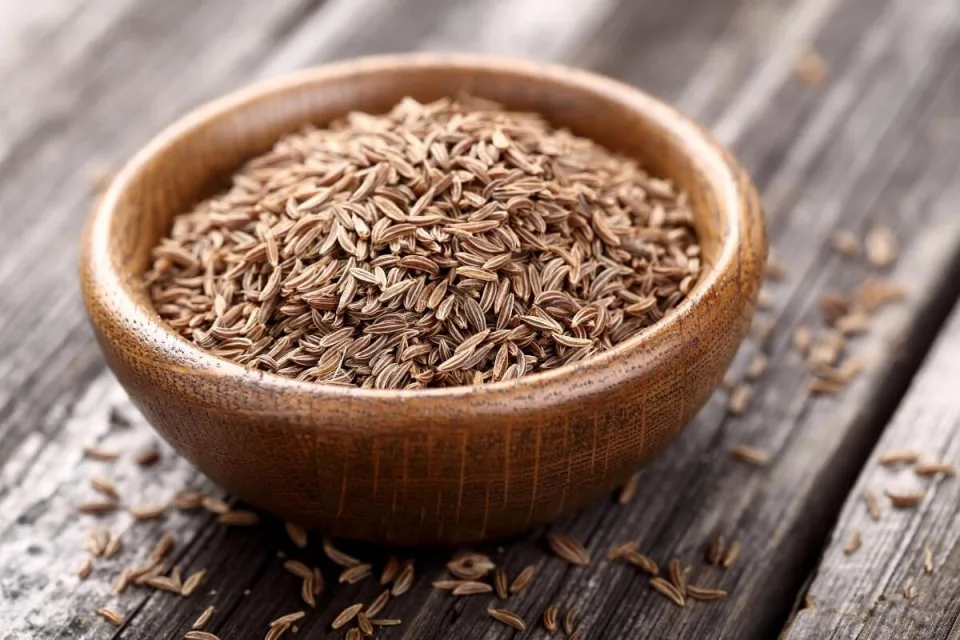
Cumin, scientifically known as Cuminum cyminum, is an aromatic plant whose dried seeds are used as a spice. The seeds are narrow, elongated and typically brownish in colour, with a distinctive fragrance that becomes more pronounced when they are lightly roasted.
Cumin is used in cuisines across India, the Middle East, North Africa, Europe and other regions. It is valued for its versatility and its ability to complement vegetables, legumes, meat dishes, rice preparations and seasoning blends.
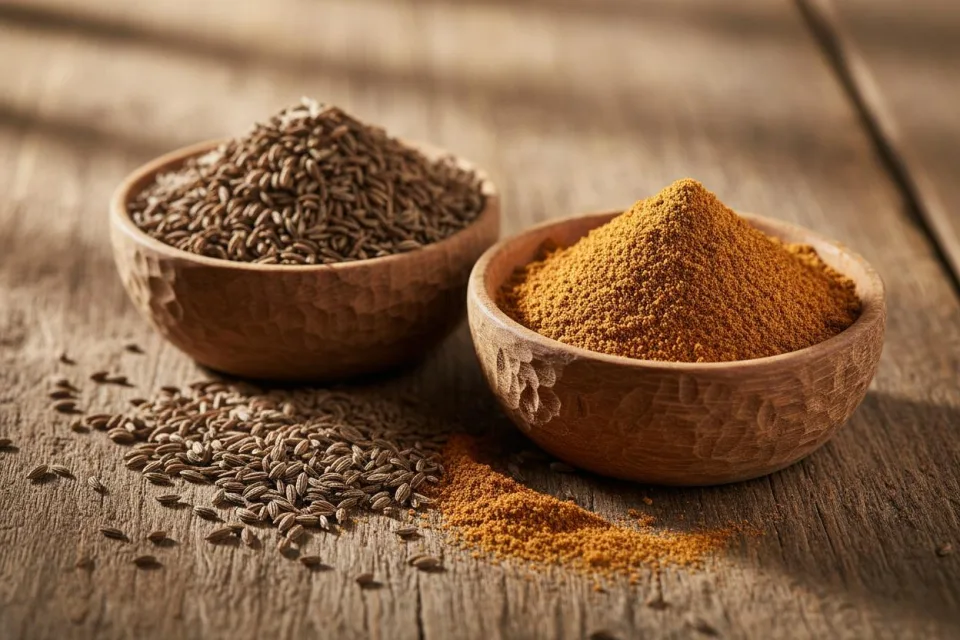
Cumin is commercially available in different forms, including whole cumin seeds, cumin powder and roasted cumin products.
Culinary Uses of Cumin Seeds
Cumin is an important ingredient for households, restaurants, food processors and spice manufacturers.
1. Curries and Gravies
Whole cumin seeds are frequently added to hot oil at the beginning of cooking to release their aroma. Cumin powder is also used in curry powders, gravies, lentil dishes and vegetable preparations.
2. Spice Blends and Seasonings
Cumin is commonly used in blended seasonings and regional spice mixes. Its warm flavour complements coriander, chilli, turmeric, black pepper and other spices.
3. Rice and Lentil Dishes
Cumin is used in rice preparations, lentils, beans and other savoury dishes. It can contribute a distinctive aroma and flavour to everyday and commercial food recipes.
4. Snacks and Processed Foods
Food manufacturers may use cumin in savoury snacks, seasoning mixes, crackers, sauces and ready-to-cook products, depending on their formulation requirements.
5. Pickles and Traditional Foods
Cumin is used in various pickles, chutneys, sauces and traditional recipes. Its flavour profile makes it a versatile ingredient in different food categories.
Potential Nutritional Benefits of Cumin
Cumin is used primarily as a culinary spice. It contains naturally occurring plant compounds and small amounts of nutrients, although the amount consumed in a typical serving is generally limited.
1. Contains Plant Compounds
Cumin contains aromatic compounds and other naturally occurring plant constituents that contribute to its characteristic flavour and aroma.
2. Provides Small Amounts of Nutrients
Cumin contains minerals and other nutrients. The nutritional contribution depends on the quantity consumed and the overall diet.
3. Adds Flavour to Balanced Meals
Cumin can enhance the flavour of vegetables, legumes, grains and other foods. Its use in cooking can help create varied and flavourful meals.
4. Traditional Use in Food Preparations
Cumin has a long history of culinary and traditional use in several cultures. However, traditional use does not establish that cumin treats or prevents a medical condition.
Health effects attributed to cumin supplements or concentrated extracts should not automatically be assumed to apply to normal culinary use. More research may be needed to establish specific health benefits.
Indian Cumin Seeds: What Makes Them Important?
India has an established cumin-growing, trading and processing sector. Indian cumin is sourced for domestic consumption and international markets, with buyers selecting products according to their intended applications and destination-market requirements.
When sourcing Indian cumin, buyers may consider:
Seed appearance and uniformity
Aroma and characteristic flavour
Purity and foreign matter
Moisture level
Cleanliness and processing
Applicable microbiological and contaminant requirements
Lab testing and documentation requirements
Packaging and storage conditions
Product specifications should be agreed upon before an order is confirmed. Requirements may differ depending on the destination country, buyer specifications and intended use.
Whole Cumin Seeds vs Cumin Powder
Whole Cumin Seeds
Whole seeds are suitable for spice traders, wholesalers, food processors and buyers who prefer to grind or process cumin themselves. They are also used directly in cooking, seasoning and spice-blending applications.
Cumin Powder
Cumin powder is suitable for applications where a ground ingredient is preferred, including seasoning blends, curry powders, sauces and food manufacturing.
Buyers should specify whether they require whole seeds or powder when requesting a quotation. Grinding, processing, packaging and testing requirements may affect the final product specification and price.
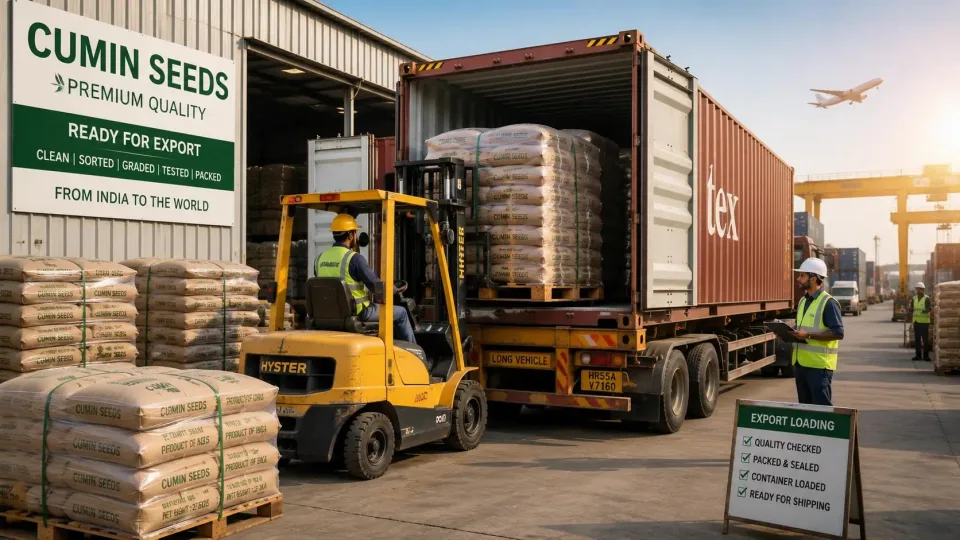
Bulk Cumin Seeds for International Buyers
Bulk cumin is relevant to importers, spice distributors, wholesalers, food manufacturers, seasoning companies and trading businesses.
Before requesting a quotation, buyers should provide the following details:
Product: whole cumin seeds or cumin powder
Required quantity in kilograms or metric tonnes
Desired product specifications
Purity and moisture requirements
Cleaning, grading or processing requirements
Testing or Certificate of Analysis (COA) requirements, where applicable
Packaging type and bag weight
Destination country and port
Preferred shipping terms: FOB, CFR or CIF
Target shipment schedule
Providing these details helps suppliers evaluate the enquiry and prepare a quotation based on the actual requirements.
Cumin Export Packaging Options
Packaging should protect the product during storage, handling and transportation while meeting buyer and destination-market requirements.
Depending on the product and order, packaging options may include:
PP bags
BOPP bags
Food-grade inner liners
Bulk bags, where suitable
Retail-ready or private-label packaging
Custom packaging based on buyer specifications
Packaging availability, bag weights, labelling and any required declarations should be confirmed before order finalisation.
Understanding FOB, CFR and CIF for Cumin Exports
International buyers may request quotations using different Incoterms, depending on how they plan to arrange transportation and insurance.
FOB (Free On Board): Under the applicable FOB term, the seller delivers the goods on board the vessel nominated by the buyer at the agreed port of shipment. The buyer generally arranges the main sea freight and insurance.
CFR (Cost and Freight): Under CFR, the seller arranges and pays the freight to the named destination port, while risk transfers to the buyer when the goods are on board the vessel at the port of shipment. The buyer generally arranges insurance.
CIF (Cost, Insurance and Freight): Under CIF, the seller arranges and pays the freight and the required minimum insurance cover to the named destination port, while risk also transfers when the goods are on board the vessel at the port of shipment.
The precise obligations depend on the agreed Incoterms rule and named ports. Buyers and sellers should confirm the applicable terms in their sales contract.
Why Choose Spices Origin Exim?
Spices Origin Exim focuses on connecting India's agricultural products with international markets and developing long-term B2B relationships.
Our product portfolio includes:
Turmeric – Fingers and Powder
Red Chilli – Whole, Powder and Flakes
Cumin – Seeds and Powder
Coriander – Seeds and Powder
Fenugreek – Seeds and Powder
Black Pepper – Whole, Crushed and Powder
Moringa – Leaves, Dried Leaves and Leaf Powder
Jaggery – Blocks, Cubes and Powder
We welcome enquiries from importers, wholesalers, distributors, food manufacturers and trading companies looking to source Indian spices and agricultural products.
Product specifications, packaging, quantity, documentation and shipping arrangements can be discussed according to each buyer's requirements.
Request a Bulk Cumin Quotation
Looking to source Indian cumin seeds or cumin powder for your business?
Contact Spices Origin Exim with your required quantity, product specifications, packaging preference and destination port. Our team can discuss your requirements and the applicable export quotation and shipping options.
Spices Origin Exim
From India's Farms to Global Markets.
Email: info@spicesoriginexim.com
WhatsApp: +91 7862881528
Website: https://www.spicesoriginexim.com
Important Note
The nutritional information in this article is general and educational. Cumin is primarily a culinary spice, and this article does not claim that it can diagnose, treat, cure or prevent a medical condition.